
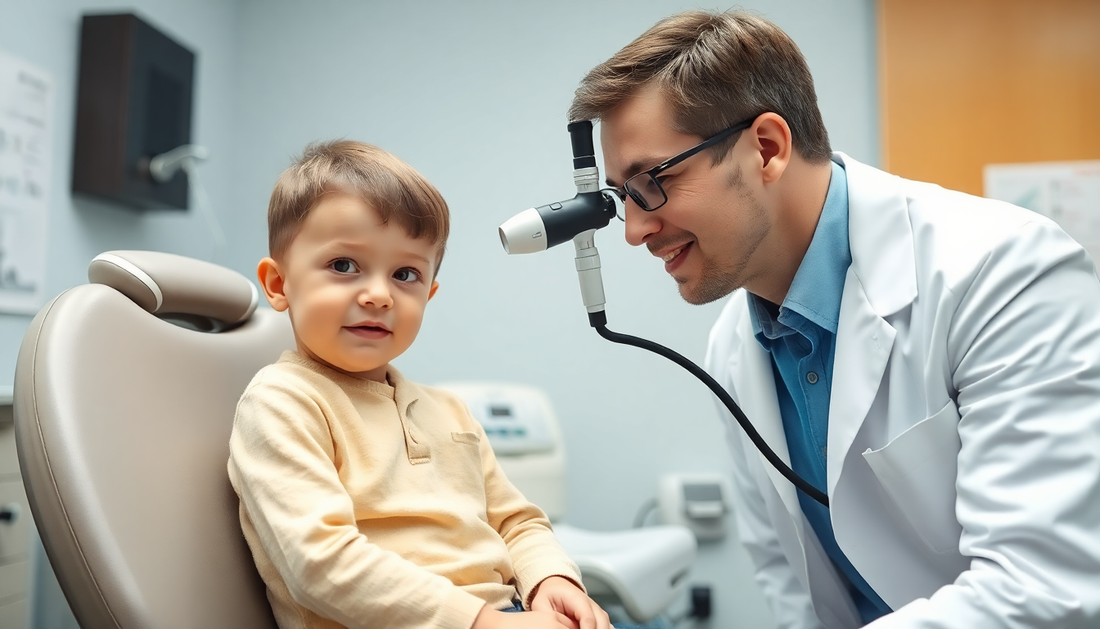
Rhinomanometry: Key to Effective Collaboration between Dentists and ENTs
Dentistry and otolaryngology share a close relationship when it comes to the health and well-being of patients, especially in the field of pediatric dentistry. One of the key tools that allows for effective collaboration between these two fields is rhinomanometry, an airway assessment method that provides valuable information for the diagnosis and treatment of various conditions.
Understanding Rhinomanometry
Rhinomanometry is an objective assessment technique of nasal function that measures airflow resistance through the nostrils. This information is crucial for dentists, as it allows them to identify problems in the upper airways that can significantly impact children's health and development.
The relevance of rhinomanometry in pediatric dentistry lies in its ability to detect nasal obstructions, whether due to anatomical or functional causes. These obstructions can lead to problems such as mouth breathing, snoring, and, in more severe cases, sleep apnea. Understanding the patient's airway status is essential to design a comprehensive treatment plan that effectively addresses these conditions.
Impact of Airway on Children's Health
Mouth breathing is one of the most common consequences of upper airway obstructions. This condition can negatively impact facial development, dental occlusion, and children's posture. Furthermore, snoring and sleep apnea can affect sleep quality, which in turn can impact academic performance, behavior, and the patient's overall well-being.
That is why airway assessment using rhinomanometry has become an indispensable tool for dentists working with pediatric patients. By identifying and addressing these problems early, long-term consequences can be prevented or mitigated, and children's quality of life can be significantly improved.
Transdisciplinary Work
Collaboration between dentists and ENT specialists is essential to achieve a comprehensive approach to treating airway-related conditions. Dentists, being the first to detect these problems during routine check-ups, must be trained to perform an initial assessment and, if necessary, refer the patient to an ENT specialist for a more thorough evaluation.
This referral process must be well-established and fluid, with effective communication between both specialists. This way, it can be ensured that the patient receives complete and coordinated treatment, addressing both dental aspects and airway-related issues.
Tools and Strategies
To achieve successful collaboration between dentists and ENT specialists, it is important to have joint evaluation protocols and a proper interpretation of rhinomanometry results. This will allow both specialists to work together to design a comprehensive treatment plan that addresses all the patient's needs.
Some key strategies include:
- Establishing a joint evaluation protocol, where the dentist performs an initial assessment and, if necessary, refers the patient to the ENT specialist for a deeper evaluation.
- Training dentists in the interpretation of rhinomanometry results, so they can understand the patient's airway status and collaborate effectively with the ENT specialist.
- Developing a comprehensive treatment plan that addresses both dental aspects and airway-related issues, with constant communication between both specialists.
Conclusions
Rhinomanometry has become a fundamental tool for collaboration between dentists and ENT specialists, especially in the field of pediatric dentistry. By understanding the importance of the airways and their impact on children's health and development, these professionals can work together to provide comprehensive treatment and significantly improve the quality of life of their patients.
Through the implementation of evaluation protocols and effective communication, dentists and ENT specialists can maximize the benefits of rhinomanometry and offer their pediatric patients a multidisciplinary approach that allows them to achieve optimal well-being.