
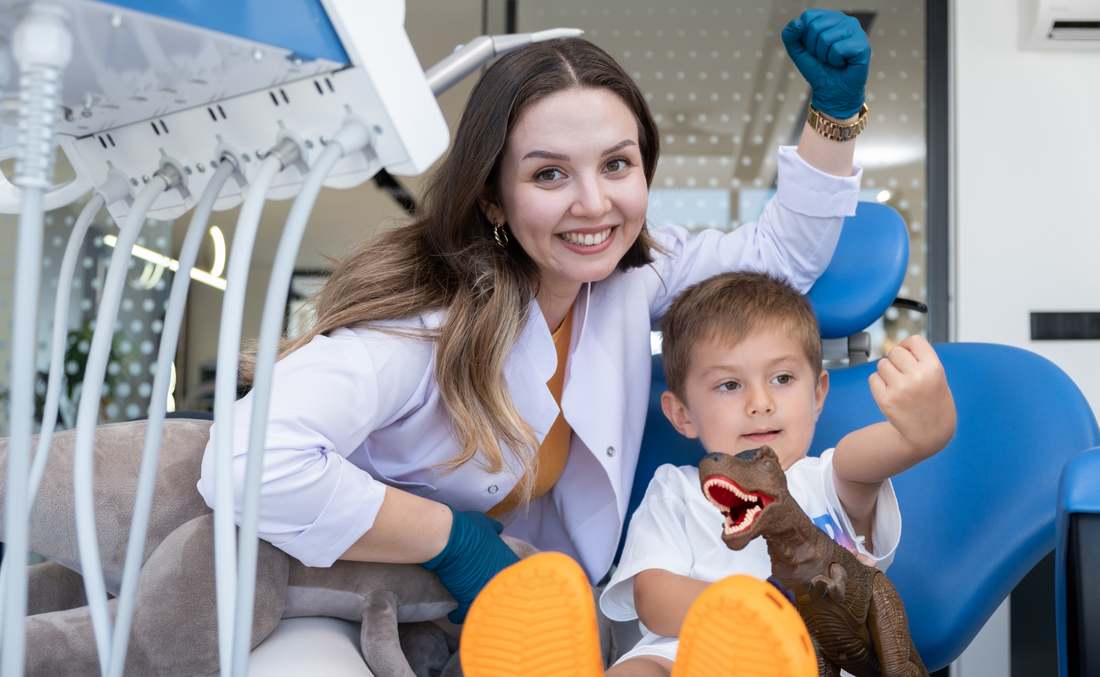
The fundamental role of the pediatric dentist in children's oral care
The pediatric dentist plays a fundamental role in children's oral care, ensuring healthy development from an early age. In this article, we will explore the importance of their specialized approach and how they collaborate with parents to establish good oral hygiene habits, prevent diseases, and provide adequate dental care. Through practical, expert-backed tips, we will discover how the pediatric dentist contributes to maintaining healthy smiles at every stage of a child's growth.
The fundamental role of the pediatric dentist in children's oral care
Key functions of the pediatric dentist: Promoting oral health from an early age
The pediatric dentist plays an essential role in children's oral care. Their knowledge and experience focus on ensuring oral health from an early age, laying the foundation for a bright future. Below are some of the key functions performed by pediatric dentists to promote a healthy smile in young children.
- Monitoring dental eruption: Pediatric dentists closely monitor the emergence of baby teeth and permanent teeth, ensuring that the eruption process occurs correctly and at the appropriate time.
- Fostering proper oral hygiene habits: Pediatric dentists educate children and their parents about the importance of maintaining good oral hygiene from an early age. They promote regular brushing, flossing, and mouthwash use, instilling healthy habits that will last a lifetime.
- Preventing and treating dental diseases: Pediatric dentists are experts in identifying and addressing common oral diseases in children, such as dental cavities. They perform preventive treatments, such as the application of dental sealants, and provide early care to avoid long-term complications.
- Performing routine examinations and periodic evaluations: Pediatric dentists schedule regular appointments to monitor children's oral development and health. They perform routine examinations, X-rays, and periodic evaluations to detect any problems and take preventive or corrective measures.
- Providing guidance on proper nutrition: Pediatric dentists advise parents and caregivers on a balanced and nutritious diet that promotes children's dental health. They offer guidelines for limiting the consumption of sugary foods and drinks, which can damage teeth.
- Protecting airways and child neurodevelopment: In conjunction with ENT specialists, they are the professionals responsible for ensuring proper airway function that promotes adequate facial growth, sleep quality, and adequate oxygen and nitric oxide levels for optimal cognitive development of the hippocampus and the brain in general.
In conclusion, the pediatric dentist performs key functions to promote the oral health and quality of life of children from an early age. Their comprehensive approach and dedication ensure that children develop good hygiene habits, prevent dental diseases, have proper facial growth, and their overall development is favorable.
Oral hygiene habits: The foundation for a healthy smile in children

Teaching oral hygiene habits is one of the crucial roles of the pediatric dentist
The pediatric dentist plays a crucial role in teaching effective oral hygiene habits that promote oral health from an early age. Their goal is to educate children and their parents about the importance of maintaining proper oral hygiene to prevent diseases in baby teeth and in the permanent teeth that will replace them.
In agreement with pediatric dentists, oral hygiene habits are fundamental to ensuring optimal oral health. They teach children the importance of brushing their teeth at least twice a day using a fluoride toothpaste appropriate for their age. They also instruct them on the correct brushing technique, ensuring that all parts of the mouth are reached. In addition to brushing, the pediatric dentist also teaches children how to use dental floss properly. They explain the importance of flossing between teeth and gums to remove bacterial plaque and food debris that accumulate in those spaces; they may also recommend other oral hygiene habits, such as using mouthwash, depending on each child's individual needs.
The role of the pediatric dentist is not limited to teaching oral hygiene habits but also includes continuous motivation and support for children and their families. They foster a positive attitude towards oral care, providing information on the importance of good oral health and ensuring that children acquire the knowledge and skills necessary to maintain a healthy smile throughout their lives.
Prevention of oral diseases in children: The mission of the pediatric dentist
Identifying and treating oral diseases in children: The specialized approach of the pediatric dentist
The pediatric dentist employs a specialized approach to identify and treat oral diseases in children and plays a fundamental role in the prevention and management of oral health problems from an early age. Their objective is to ensure children's oral health and promote a radiant smile throughout their lives.
The pediatric dentist understands the importance of early and accurate diagnosis to address oral diseases in children. Through a thorough evaluation, they examine the child's mouth, detect any abnormalities or conditions, and establish a treatment plan appropriate for their age and individual needs.
Depending on the diagnosis, the specialist can treat a wide variety of oral diseases in children, such as cavities, malocclusions, periodontal disease, airway enlargement, narrow anomalies in the eruption of permanent teeth. Using advanced techniques and technologies, the pediatric dentist applies the necessary treatments to correct and prevent dental problems, ensuring the oral health of children at all stages of their growth.
The specialized approach of the pediatric dentist involves providing dental care tailored to the unique needs of children, which may include the application of dental sealants to prevent cavity formation, performing early orthopedic and orthodontic treatments to correct occlusion problems, therapies for deficient breathing, swallowing, and chewing, or performing restorative treatments to preserve damaged teeth.
The goal of pediatric dentistry: Ensuring radiant smiles at every stage
Stages of pediatric dentistry: From the first visit to continuous care
Pediatric dentistry covers different stages in a child's life, from birth to adolescence, with the aim of ensuring radiant smiles at each of them. During these stages, the pediatric dentist performs fundamental functions to maintain oral health and prevent possible problems throughout the child's growth and development.
From the first visit, which is generally recommended when the child is around 1 year old, the pediatric dentist establishes a bond of trust with the child and their parents. During this initial stage, a complete assessment of the child's oral health is performed, recommendations on oral hygiene habits are offered, and guidance is provided to parents on how to properly care for their child's teeth. Their breathing, chewing, and swallowing processes are also evaluated, which will be vital for their future maxillofacial growth, and their diet and sleep patterns are inquired about, in search of indicators of respiratory problems.
As the child grows, the pediatric dentist continues to monitor their dental development, maxillofacial growth, and conduct regular check-ups. During these follow-up visits, the risk of cavities is assessed and preventive measures are implemented, such as applying dental sealants or providing fluoride treatments, to protect teeth against cavity formation. It is also the time to start using appliances or posture exercises to avoid complex and lengthy orthodontic treatments later on.
In cases of malocclusions or dental alignment problems, the pediatric dentist may recommend early treatments to correct these problems as the child grows. These treatments may include the use of orthopedic appliances or referral to teams of professionals such as ENT specialists, gastroenterologists, allergists, neurologists, and psychologists.
The continuous care provided by the pediatric dentist is essential to ensure a radiant smile, optimal oral health, and comprehensive development at every stage of the child's life. Through regular visits, the pediatric dentist monitors dental growth and development, provides education on proper oral hygiene habits, promotes a balanced diet, and offers personalized advice to maintain a healthy smile.
The importance of early care: The pediatric dentist as a guide for parents
Educating parents: How to collaborate with the pediatric dentist for children's dental well-being
The pediatric dentist as a guide for parents offers an invaluable contribution to the dental and general well-being of children. By working collaboratively, oral hygiene habits, diets, sleep routines, and habit management can be established from an early age, laying the groundwork for optimal oral health throughout life. Below are some key tips to foster this collaboration:
- Establishing the brushing habit: From the time the first teeth appear, it is important to introduce the dental brushing routine. The pediatric dentist can provide guidance on how to do it properly and when is the appropriate time to start using fluoride toothpaste.
- Regular visits from the first year of life: The pediatric dentist recommends scheduling the first visit around the first year of age, even before all baby teeth have erupted. This allows for early detection and prevention of potential problems.
- Constant monitoring: As the child grows, it is essential to maintain regular follow-up with the pediatric dentist. This facilitates early detection of any anomalies in the development of dental pieces or in oral health in general.
- Education on healthy eating: The pediatric dentist can offer specific guidelines on the importance of a solid, balanced, and low-sugar diet. They will also provide recommendations on the proper use of bottles and pacifiers to prevent possible damage to the occlusion.
- Personalized treatments: If necessary, the pediatric dentist can carry out specific treatments to address occlusal problems or correct bad habits. These treatments will be adapted to the child's individual needs and will be based on the best practices of pediatric dentistry.
By collaborating closely with the pediatric dentist, parents can play a fundamental role in their children's dental care. Following these recommendations significantly contributes to children's oral well-being and lays the foundation for a healthy smile throughout their lives.
The Pediatric Dentist is your ally in children's oral health care
A visit to the pediatric dentist: A positive experience for young patients
A visit to the pediatric dentist is a crucial experience in children's oral health care. It is essential that this visit is a positive experience for young patients, as it can lay the groundwork for a favorable attitude towards dental care in the future. Below are some important aspects for a successful visit to the pediatric dentist:
- Child-centered approach: The pediatric dentist, with their specialized functions, is trained to treat children and understands the importance of establishing a comfortable and welcoming environment. From the moment the child arrives at the clinic, they receive personalized attention and are spoken to in a kind and reassuring manner. This helps build trust and reduces any anxiety the child may have.
- Professional pediatric dentistry facilities: Pediatric dentistry clinics, with their specific pediatric dentistry treatments, are designed with children's needs in mind. These facilities have appropriate equipment and technology to provide quality dental care in a safe and pleasant environment. The spaces are decorated in a playful and colorful way, which helps create a more relaxed and attractive atmosphere for the little ones.
- Educational and preventive approach: During the visit, the pediatric dentist not only focuses on dental treatments but also on education and prevention. They take the time to explain to the child and parents the importance of good oral hygiene, proper oral hygiene habits from an early age, and the care of both baby teeth and permanent teeth. Practical advice is provided on brushing, flossing, and a healthy diet, and the importance of preventing oral diseases from an early age is emphasized.
- Age-appropriate treatments: The pediatric dentist, with their specialized knowledge base, is trained to perform specific treatments for children, adapted to their age and needs. This includes care for baby teeth, evaluation of permanent teeth development, and management of potential oral problems. Treatments are carried out carefully and gently, considering children's sensitivity and minimizing any risk of discomfort or pain.
A visit to the pediatric dentist is not only essential for dental care in childhood, but it also has a long-term impact on oral health in adulthood. By providing a positive experience from an early age, a favorable attitude towards dental care is fostered, potential fears or traumas are prevented, and a solid foundation for optimal oral health in the future is established.
Addressing Childhood Fears: The Pediatric Dentist and Their Friendly Approach
Creating a Welcoming Environment: How the Pediatric Dentist Helps Overcome Dental Fear
The pediatric dentist plays a crucial role in addressing childhood fears associated with dental visits. Their friendly and specialized approach aims to create a welcoming environment that helps overcome dental fear. Below are some key strategies and functions of the pediatric dentist to help children face their fears and have a positive dental experience:
- Role of the pediatric dentistry specialist: The pediatric dentist specializes in the oral health of children from birth to adolescence. Their goal is to ensure optimal dental care and promote proper oral hygiene habits from an early age.
- Creating a welcoming environment: Dental clinics for children are designed with the comfort and safety of young patients in mind. These clinics have professional dental facilities adapted to the needs of children, which helps reduce the fear associated with dental treatments.
- Clear communication and education: The pediatric dentist uses simple and understandable language to explain dental procedures and treatments to children and their parents. Through education, children are taught the importance of maintaining good oral health and are guided in developing proper oral hygiene habits.
- Behavior management techniques: The pediatric dentist employs behavior management techniques adapted to each child's age and personality. These techniques include the use of games, rewards, and distractions to make the dental experience more enjoyable and less stressful.
- Success stories and testimonials: The pediatric dentist shares success stories and testimonials from other children who have had positive experiences at the dental clinic. This helps reassure children and their parents, showing real examples of how the pediatric dentist can provide successful dental care and build confidence.
In summary, the pediatric dentist strives to create a safe, welcoming, and friendly environment for children when visiting the dental clinic. Through their expertise, effective communication, education, and behavior management techniques, the pediatric dentist helps overcome dental fears and promotes a positive experience in children's oral health.
Establishing a Solid Foundation: The Pediatric Dentist and Long-Term Oral Health
From Baby Teeth to Permanent Teeth: Dental Follow-Up with the Pediatric Dentist
The pediatric dentist, as a specialist in children's dental care, performs various functions that are essential to ensure optimal oral health in children. From the moment the first baby teeth appear until the transition to permanent teeth, the pediatric dentist plays a crucial role in dental follow-up and care.
One of the key functions of the pediatric dentist is the prevention and treatment of dental caries in children. Dental caries are lesions caused by the demineralization of tooth enamel due to the presence of bacteria and usually exposure to sugary foods and drinks. The pediatric dentist uses specialized techniques to detect and treat cavities in early stages, thus avoiding complications and preserving tooth health.
In addition, the pediatric dentist is responsible for educating children and their parents about proper oral hygiene habits. This includes teaching the correct brushing technique, flossing, and the importance of following a balanced diet to maintain good oral health. These habits instilled from an early age are fundamental to preventing oral diseases and promoting a healthy smile throughout life.
The pediatric dentist's goal goes beyond treating dental diseases. They also focus on the detection and monitoring of possible anomalies in the development of dentition and occlusion. Through periodic evaluations, the pediatric dentist can identify and address problems such as malocclusions, crowding, or lack of space for the eruption of permanent teeth. In this way, they seek to correct these situations and ensure proper oral development at each stage of growth.
In conclusion, the pediatric dentist plays an essential role in children's dental care, providing prevention, treatment, and follow-up of oral diseases, promoting proper hygiene habits, and detecting possible problems in dental development. Their goal is to ensure optimal oral health from an early age and lay the foundation for a radiant and healthy smile in the future.
Conclusion: Radiant Smiles That Last: The Legacy of the Pediatric Dentist in Children's Oral Well-being
To conclude this article, we can affirm that the pediatric dentist plays a crucial role in children's oral well-being, leaving a legacy of radiant smiles that last for years. Through their specialized functions and friendly approach, the pediatric dentist promotes oral care from an early age and provides specialized attention in dental clinics for children.
From the first visit to the dental clinic specially designed for them, the pediatric dentist focuses on establishing good oral hygiene habits and on identifying and treating oral diseases in children. In addition, they offer pediatric dentistry treatments adapted to the specific needs of each child, from birth through the teen years. The children's dental clinic becomes a welcoming environment where a positive experience is promoted and dental fear is overcome, which helps establish a solid foundation for oral health from an early age.
In summary, the pediatric dentist plays a fundamental role in children's oral care. Their goal is to ensure radiant and long-lasting smiles by providing specialized care, establishing proper oral hygiene habits, and treating oral diseases in children. Trust the pediatric dentist as the professional who will guide your child's dental care from an early age. Take your child to a dental clinic for children, where they will receive quality care adapted to their needs. Oral health is essential for a radiant future, and the pediatric dentist is the perfect ally to achieve it!