

Main Myths About Bruxism: Paradigms of Pediatric Dentists
Bruxism is a recurring topic in dental consultations, and precisely because it is so common, there are numerous myths and misunderstandings among both dental professionals and parents.
Maintaining these myths or paradigms can affect both diagnosis and treatment. In this article, we will debunk the main myths about bruxism, providing evidence-based information to help pediatric dentists update their knowledge and improve patient care.
Myth 1: Bruxism only affects adults
Bruxism does not discriminate by age. In fact, it is quite common in children, with prevalences ranging between 6% and 50%. In some cases, children overcome awake bruxism without intervention, but the same is not true for sleep bruxism. It is crucial for pediatric dentists to know the current evaluation guidelines to identify the origin of such bruxism and how it should be treated.

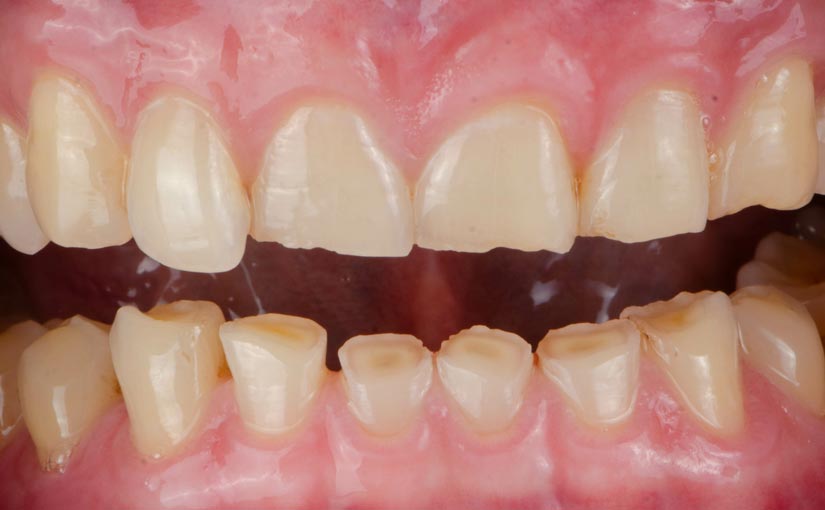
Myth 2: Bruxism causes tooth wear, but nothing else
Bruxism, or rather its underlying cause, can lead to a variety of dental and non-dental problems, with tooth wear being the least common and probable.
In children, we have the following implications, for example:
- If the origin of sleep bruxism is due to airway obstructions, apnea, or some sleep disorder, learning consolidation is compromised due to micro-awakenings caused by bruxism.
- In the case of awake bruxism, jaw and facial muscle pain or temporomandibular disorders (TMD) are more likely, in addition to its association with emotional problems.
- In bruxism caused by high sugar consumption or screen exposure, there is an increase in dopamine, an altered reward circuit, and a greater predisposition to addictions.
Myth 3: Bruxism is always a psychological problem
While stress and anxiety can be contributing factors, bruxism has a multifactorial etiology that includes genetic, neurological, and physiological factors. In children, it can be related to airway problems, sleep apnea, other sleep disorders, and sugar consumption and screen exposure.

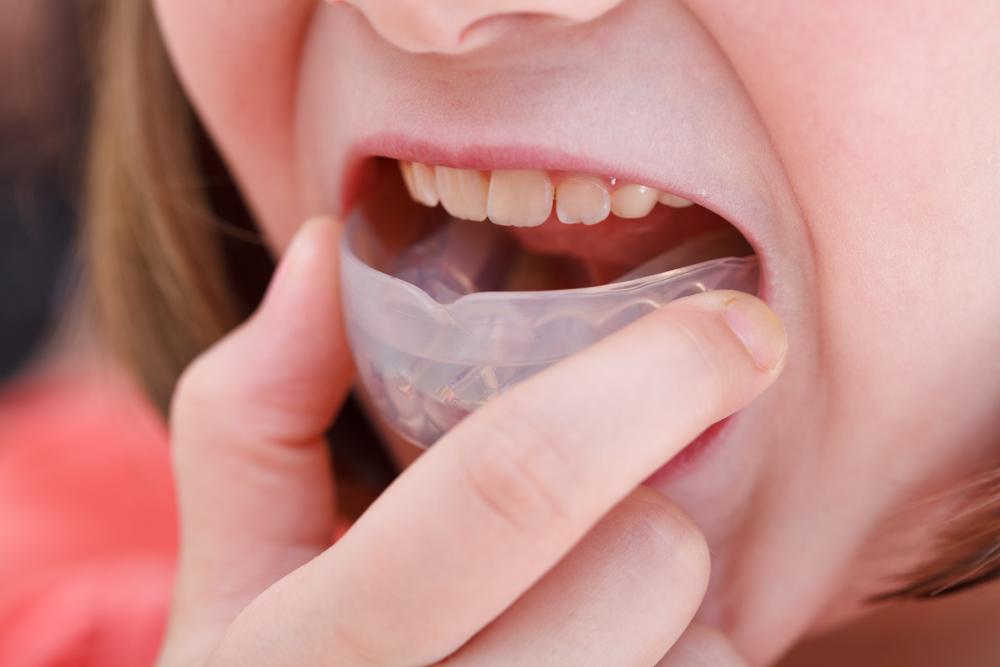
Myth 4: Occlusal splints are the only solution
Occlusal splints are a useful tool for TMD and reducing inflammation, but they are not the solution to bruxism. They are, when used for short periods, aids for symptoms. The treatment of bruxism in children must be directed at the etiology and requires work with a transdisciplinary team.
Myth 5: Bruxism does not require treatment in children
While in some cases bruxism in children can be classified as innocuous, for example, during a cold or short periods of stress, in all other cases it requires an approach to prevent long-term complications. Regular evaluation and monitoring are essential to determine the need for intervention.
Refresher Courses for Pediatric Dentists
Staying up-to-date on the latest research and techniques in bruxism management is crucial for any pediatric dentist. Our online course store offers programs specifically designed for professionals interested in deepening their knowledge on this topic. These courses include:
- Diagnosis and management of bruxism in children
- Use of validated instruments for diagnosis and approach
- Case study-based learning
Benefits of Our Courses
- Constant Updates: Access to the latest evidence-based information.
- Flexibility: Online courses that adapt to your schedule.
- Certification: Certificates that accredit your continuous training.
https://neurotrainers.com.co/collections/cursos-completos
We invite all pediatric dentists interested in improving their practice and offering the best care to their patients to enroll in our courses. Continuous education is key to effective bruxism diagnosis and treatment.