
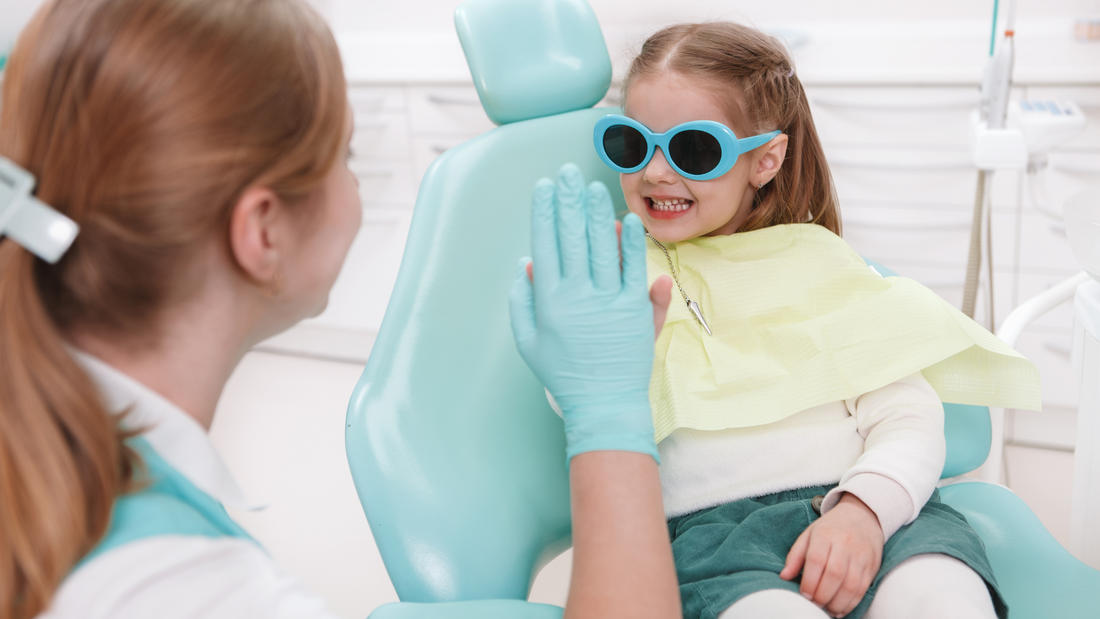
Empathic communication techniques in pediatric dentistry
Pediatric dentistry is a discipline that requires an exceptional communicative approach. Children not only have unique dental needs but also distinct communication dynamics compared to adults. To provide optimal care and establish a trusting relationship, dentists, pediatric dentists, and orthodontists must understand the complexities of communicating with their young patients.
In this blog, we will explore an advanced and in-depth approach to understanding and mastering effective communication techniques with children in the dental office setting. From empathy to managing challenging situations, we will discover fundamental strategies that will allow professionals not only to provide high-quality care but also to forge meaningful connections with their youngest patients. Join us on this journey toward more effective and successful pediatric communication.
Understanding communication dynamics in children

Communication is a fundamental skill in pediatric dentistry, but it is not an easy task when dealing with children. Understanding the key differences between communicating with children and adults is essential for establishing a trusting relationship and providing quality care. In this first chapter, we will explore these differences and how cognitive and emotional development in children influences how they communicate in the dental office.
Exploring differences in communicating with children compared to adults
Communication with children is a different terrain than with adults. Children have a unique set of communicative characteristics that differentiate them considerably. For example, their attention span is usually shorter, which means it is important to be clear and concise in communication. In addition, they often use more literal language with fewer nuances, so it is essential to use vocabulary appropriate to their level of understanding.
Children also tend to be more visual and learn better through images and concrete examples. In the dental context, this means that showing instruments and procedures in a non-threatening way can help alleviate anxiety. Patience and the ability to simplify technical information are essential skills when communicating with children in the office.
It is no secret that as children grow, their cognitive abilities, such as abstract understanding and reasoning skills, gradually evolve. This means that communication strategies must adapt to their developmental levels. For example, a child in the concrete developmental stage may need simpler and more concrete explanations, while an adolescent may understand more abstract concepts.
Understanding the differences in communication with children and adults, as well as the impact of cognitive and emotional development in children, lays the foundation for effective communication in the pediatric dental office.
Communication techniques based on empathy and active listening
Empathy is the ability to put oneself in another person's shoes, understand their emotions, and respond in a compassionate and supportive way. In the context of pediatric dentistry, empathy is fundamental to establishing a relationship of trust and comfort with children and their parents.
When children feel that the dental professional understands and cares about them, they are more likely to feel comfortable and cooperate during the consultation. Empathy can also help alleviate the anxiety and fear that children often experience in the dental environment.
A warm and empathetic approach can make the pediatric patient feel valued and heard, which contributes significantly to a positive experience in the office.
Tips for practicing active listening and understanding children's needs and concerns

Active listening is a technique that involves paying full attention to what the patient is saying, without interruptions or judgments. Some key tips for practicing active listening with children include:
- Make eye contact: Maintaining eye contact with the child demonstrates interest and attention. This helps establish a connection and makes the child feel important.
- Show genuine interest: Asking open-ended questions and expressing sincere interest in what the child has to say encourages open communication.
- Validate emotions: Recognizing a child's emotions, whether fear, anxiety, or even excitement, validates their feelings and allows them to express themselves with confidence.
- Repeat and summarize: Repeating what the child has said and summarizing it shows that you are actively listening and helps you better understand their needs.
- Avoid distractions: Maintaining focus on the conversation and avoiding distractions, such as electronic devices, is essential for active listening.
Together, empathy and active listening are powerful tools for creating effective and empathetic communication with pediatric patients. These techniques not only strengthen the professional-patient relationship but also contribute to a more positive and collaborative consultation environment.
The power of non-verbal communication
Non-verbal communication includes gestures, facial expressions, tone of voice, posture, and physical contact. Children are especially sensitive to these cues and often interpret non-verbal communication more intensely than adults. Here are some reasons why non-verbal communication is so vital when dealing with pediatric patients:
- Builds trust: Relaxed and friendly body language conveys trust and security, which can help calm an anxious child.
- Facilitates understanding: Facial expressions and gestures can help explain concepts or instructions more clearly for children who are still developing their language skills.
- Creates a welcoming environment: A dental office that uses positive non-verbal communication can make children feel more comfortable and secure, reducing resistance and fear.
- Fosters empathy: Empathetic body language can show children that the dental professional cares about their well-being and is willing to listen.
Communication techniques to effectively use body language, facial expressions, and posture
- Genuine smiles: A sincere smile can be contagious and convey warmth and kindness. Making a child smile can help alleviate their fears and tensions.
- Maintain friendly eye contact: Making eye contact in a friendly way demonstrates interest and attention. However, avoid fixed eye contact, as it could be intimidating.
- Relaxed posture: Maintain an open and relaxed posture. Avoid crossing your arms or adopting a rigid posture that might give the impression of distance.
- Smooth movements: Avoid abrupt or sudden movements that could scare a child. Smooth and deliberate movements convey calm and care.
- Appropriate tone of voice: Use a calm and kind tone of voice. Avoid yelling or speaking in an overly serious manner.
Effective non-verbal communication with children in the dental office can greatly contribute to a positive and cooperative experience.
Professionals who master these communication techniques not only improve the relationship with their pediatric patients but also create an environment where children feel safe and understood.
Managing difficult situations and stress reduction strategies

In the world of pediatric dentistry, it is common to encounter challenging situations, such as fear of the dentist or anxiety in children. However, there are effective strategies to address these difficulties and create an environment that reduces stress, promotes cooperation, and provides a positive experience in the dental office.
Tips for addressing challenging situations:
- Listen compassionately: When a child expresses fear or anxiety, it is essential to listen to their concerns with empathy. Allow them to express their fears and questions before starting any procedure.
- Clear communication: Explain simply and honestly what will happen during the consultation or procedure. Use non-threatening language and avoid words that might cause fear.
- Set expectations: Help children understand their role during the visit. Make them feel comfortable by telling them they can ask questions or ask for a break at any time.
- Use positive reinforcement: Praise and reward cooperative behavior. Recognizing their bravery can increase their confidence and willingness for future visits.
- Distract and calm: Use distractions, such as soft music or a favorite movie, to help children relax during treatment.
Strategies to reduce stress and create a welcoming environment
- Friendly environment: Design your office to be attractive and comfortable for children. You can incorporate soft colors, cheerful decorations, and toys.
- Advance preparation: Inform parents about what they can do to prepare their children before the appointment. This may include explaining the importance of the dental visit and what to expect.
- Friendly and trained staff: Make sure your team is trained in handling pediatric patients and is kind and understanding.
- Flexible times: Consider short waiting times and flexible scheduling to accommodate children's needs.
- Technology and entertainment: Offer entertainment options, such as tablets or video games, in the waiting room to keep children occupied and less anxious.
By implementing these strategies in your practice, you can help children feel more comfortable and secure, which in turn will promote cooperation and successful consultations. Together with the effective communication techniques discussed in previous chapters, you will be well prepared to attend to your young patients comprehensively and satisfactorily.
Conclusion
We have learned that children are not simply miniature versions of adults; they have unique needs and a special way of interacting with the world. By understanding these differences and addressing them with empathy, patience, and understanding, dentists, pediatric dentists, and orthodontists can make a significant difference in the lives of their pediatric patients.
Empathy and active listening emerge as powerful tools for establishing trusting and comfortable relationships with children and their parents, paving the way for a more positive consultation experience. Non-verbal communication becomes an invaluable ally, capable of conveying warmth, confidence, and understanding.
And when we encounter challenging situations, such as fear or anxiety in children, we have discovered that empathy, clear communication, and stress reduction strategies can transform the dental office environment into a welcoming and collaborative place.
Ultimately, let's remember that every smile we help maintain and every young patient with whom we establish a meaningful bond are living testaments to the importance of effective communication in pediatric dentistry.